Transepidermal water loss and the "cool breeze" UV trap
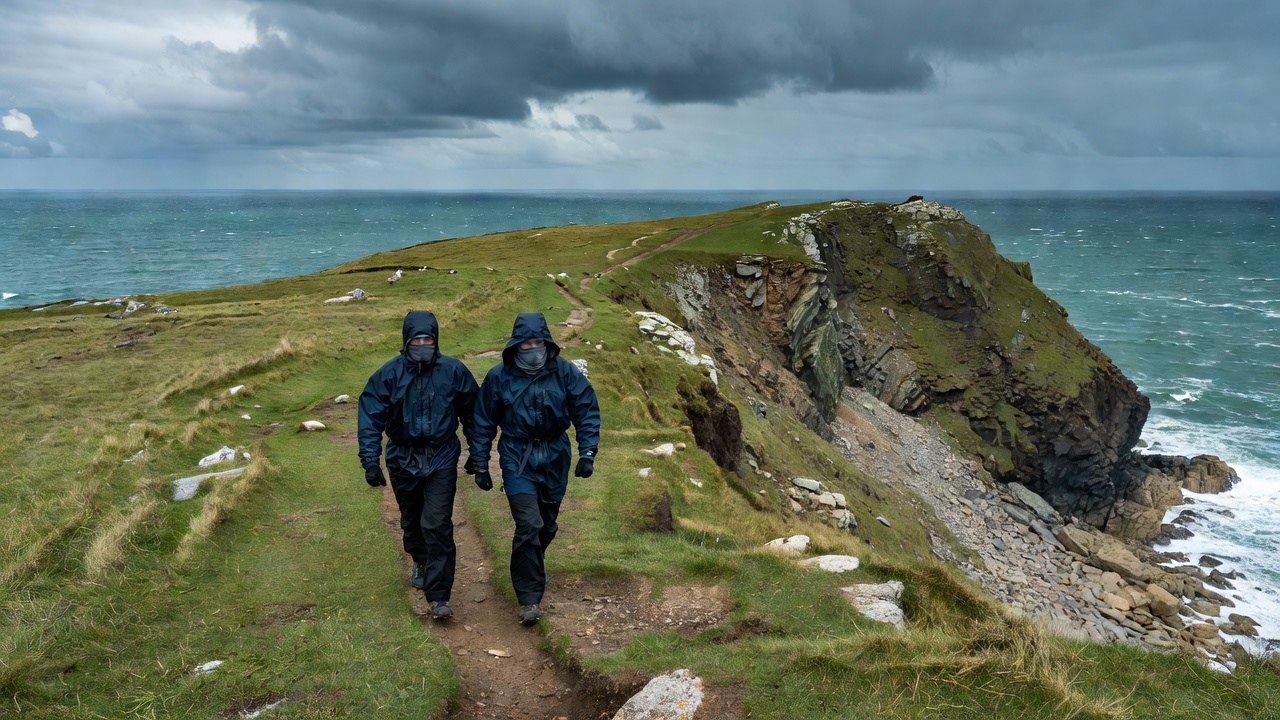
In calm air, a thin boundary layer of humid, warm air sits just millimetres above your skin surface, slowing down the rate at which moisture evaporates from the epidermis. When you sail into a 20-knot breeze on the Solent or traverse an exposed ridge in the Scottish Cairngorms, moving air continuously sweeps that humid boundary layer away—sharply accelerating transepidermal water loss (TEWL).
As surface lipids and natural moisturising factors dry out, corneocytes (the outermost protective cells of the skin barrier) curl and develop microscopic fissures, leaving cheeks, nose, and knuckles red, rough, and stinging. Compounding this mechanical irritation is a sensory illusion: because convective wind cools the skin's thermoreceptors, you never feel the infrared heat that normally warns you to step out of the sun. Many cases of severe "windburn" after a day on the water or trail are actually a combination of wind-stripped barrier lipids and unrecognised ultraviolet erythema.